By Diana Renee Homes
Riverside is anchored by the junction of State Route 91, Interstate 215, and State Route 60, which collectively connect Riverside to Orange County, Los Angeles, San Bernardino, and San Diego County. In addition to its freeway network, Riverside is served by multiple Metrolink rail lines and a locally integrated bus system that supports both regional and neighborhood-level travel.
These commuting options in Riverside play a meaningful role in how residents choose neighborhoods, plan workdays, and evaluate long-term housing decisions.
Key Takeaways
- The Metrolink 91-Perris Valley Line for rail-based transit.
- The 91 and I-15 Express Lanes.
- Riverside Transit Agency’s CommuterLink.
Riverside’s Transportation Framework
Riverside does not rely on a single transit solution. Instead, its transportation system combines highways, rail service, and surface streets that work together across a large geographic footprint.
Core components residents use
- Interstate highways connecting multiple counties
- Metrolink rail lines serving regional commuters
- Local arterials linking residential areas to hubs
Whether traveling daily to Orange County or staying within the Inland Empire, commuting options in Riverside are built around flexibility.
Freeway Access and Regional Connectivity
Freeways remain the most widely used commuting option in Riverside. State Route 91 runs west toward Orange County, while I-215 and SR-60 support north-south and east-west travel across the Inland Empire.
Why freeway access matters
- Direct routes to employment centers
- Multiple on-ramp choices across the city
- Flexibility for varied schedules
Before considering alternatives, many residents evaluate how close they are to on-ramps and connector routes. This proximity often shapes where buyers focus their home search.
Metrolink Rail Service in Riverside
Rail commuting offers an alternative to freeway travel, particularly for residents working standard weekday schedules. Riverside is served by both the Riverside Line and the 91/Perris Valley Line, with stations that connect to Los Angeles and Orange County.
Rail-related advantages
- Predictable travel times
- Reduced freeway mileage
- Park-and-ride convenience
Rail service adds structure to daily travel while reducing reliance on long-distance driving. For many households, this option supports long-term consistency.
Driving Versus Rail: Choosing the Right Fit
Residents often weigh driving against rail based on schedule flexibility, distance, and lifestyle preferences. Each option offers distinct advantages depending on the destination.
Factors residents consider
- Work hours and predictability
- Distance to rail stations
- Tolerance for freeway congestion
The best option depends on priorities. This decision is rarely permanent. Many households adjust commuting strategies over time as work arrangements change.
Redundancy and Route Flexibility
One advantage of Riverside’s layout is redundancy. When one route slows, alternatives often exist, whether by freeway, surface street, or rail.
Why redundancy matters
- Multiple freeway choices
- Parallel surface streets
- Rail as a backup option
This flexibility reduces dependence on a single corridor and supports day-to-day reliability.
Long-Term Planning and Infrastructure
City planning in Riverside continues to account for transportation growth. Housing development, commercial zoning, and road improvements often align with existing corridors.
Planning considerations
- Transit-oriented development
- Infrastructure maintenance priorities
- Regional connectivity investments
These trends support sustained usability. For buyers thinking ahead, this coordination suggests that commuting options in Riverside will remain central to future growth.
The Best Neighborhoods for Commuters
From the high-energy pulse of the Hunter Park developments to the refined elegance of the Alessandro Heights sanctuaries, the landscape of commuting options in Riverside is as expansive as the California horizon.
Premier Districts for Regional Transit Connectivity
- The Mission Inn District offers immediate access to the high-stakes social pulse of the Downtown Metrolink station and serves as the primary launch point for the scenic drives to the valley.
- Alessandro Heights provides a walkable, village-within-a-city feel where residents can transition from a modern luxury villa to the high-performance Express Lanes with professional ease.
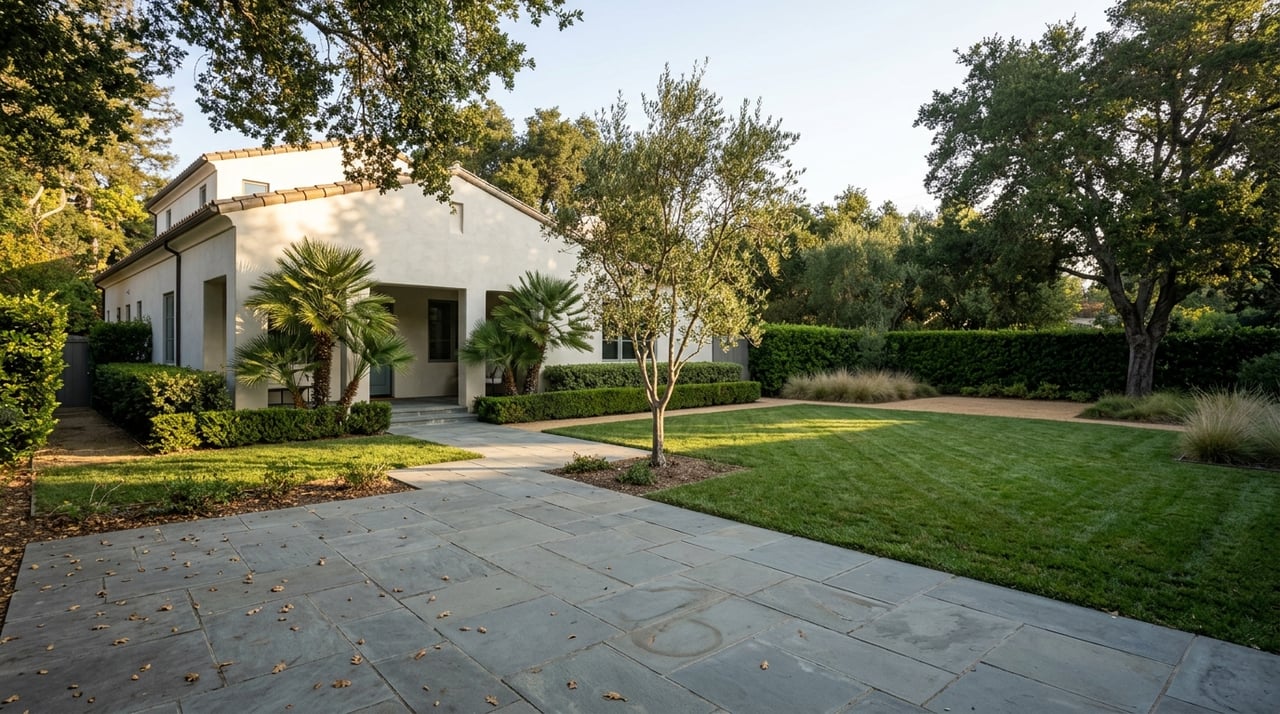
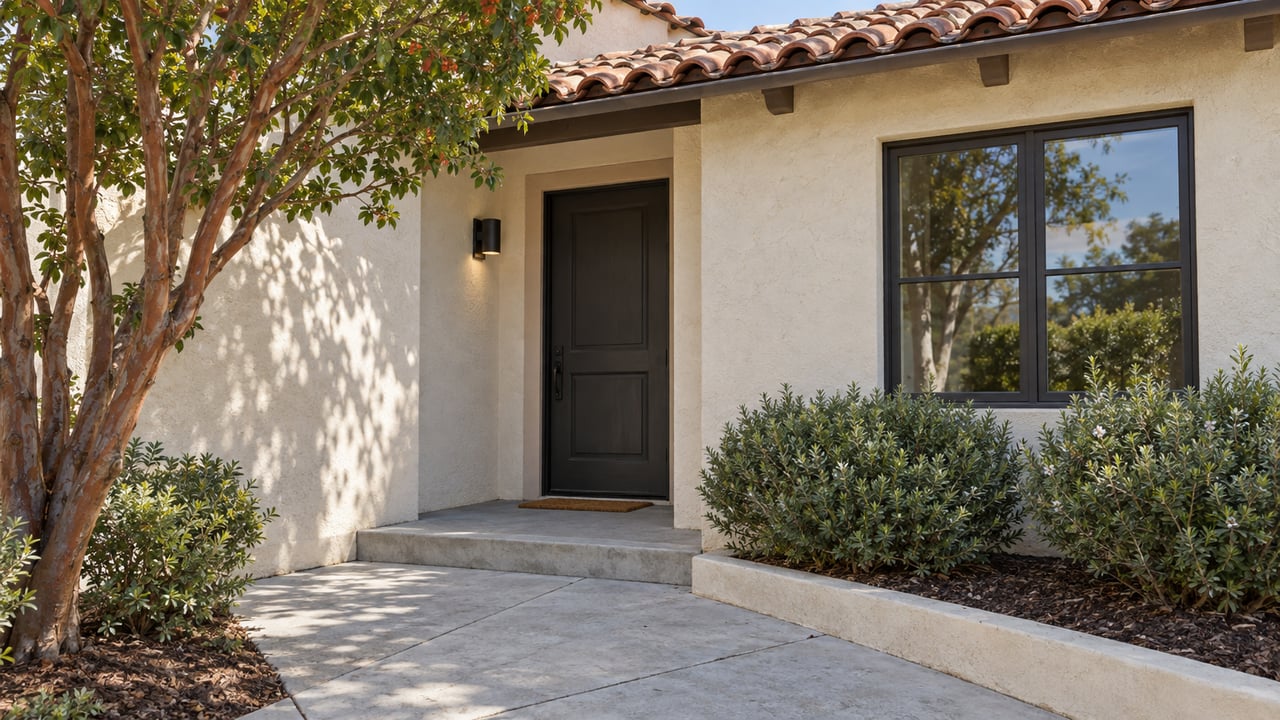
- Victoria Avenue and Hawarden Hills represent a unique blend of past and present, offering classic Mediterranean-style estates within minutes of the sophisticated morning rituals of the local transit centers.
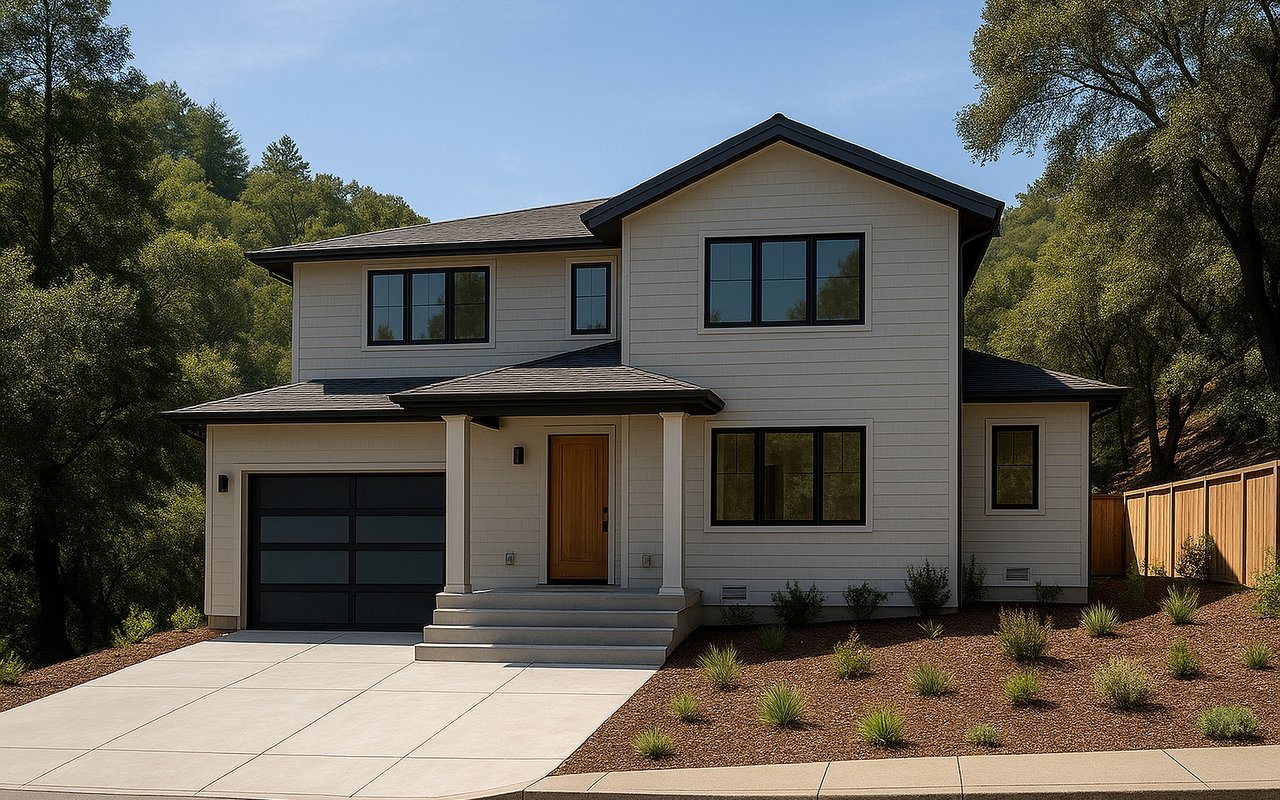
- The Canyon Crest Corridor provides the peak of modern "parkway" living, featuring custom homes with expansive glass and professional home offices that offer a high-performance alternative to traditional builds.
FAQs
Does Riverside offer rail commuting to Los Angeles?
Yes, Metrolink provides direct service from Riverside to Los Angeles on weekdays.
Are homes near freeways more desirable?
Many buyers prioritize freeway access, though preferences vary by household.
Can residents commute without using freeways?
Yes, rail and local transit provide alternatives to freeway driving.
Reach Out to Diana Renee Homes Today
Transportation access is one of the most important factors shaping how people live in Riverside. From freeway connectivity to rail service and neighborhood transit, commuting options in Riverside influence where buyers focus and how homes are valued over time.
Reach out to
Diana Renee Homes to explore how transportation access impacts specific neighborhoods, property demand, and long-term opportunities in Riverside.