By Diana Renee Homes
The Corona vs Los Angeles cost of living comparison is one of the most relevant questions buyers ask when deciding whether the savings of an Inland Empire address actually outweigh the trade-offs of a longer commute and a different lifestyle.
I work across both markets, and this guide reflects what I know about how each city stacks up across the categories that actually determine a household's monthly budget. It also reflects the questions I hear most often from buyers seriously considering a move to Corona — and the things I wish more people knew before they started their search.
Key Takeaways
- Housing is where the gap is widest: Corona's median home price runs meaningfully below Los Angeles's, and renters in Corona pay significantly less for comparable square footage than they would in most Los Angeles neighborhoods
- Daily expenses are closer than most buyers expect: Groceries, healthcare, and utilities in Corona and Los Angeles track at similar levels
- Transportation costs diverge in opposite directions: Los Angeles residents pay less for the commute itself but absorb higher parking, traffic time, and insurance costs; Corona residents typically drive more miles to reach major employment centers but pay less in urban transportation overhead
- Neighborhood matters within Corona:South Corona, Eagle Glen, Sycamore Creek, Bedford, Sierra Del Oro, and Temescal Valley each offer a distinct price point and lifestyle
- Corona vs Los Angeles cost of living: The financial advantage of Corona over Los Angeles is most concentrated in housing, but the lifestyle advantages are worth understanding on their own terms
Housing: Where the Comparison Is Most Consequential
The single largest driver in the Corona vs Los Angeles cost of living comparison is housing, and the gap between the two cities is wide enough to meaningfully alter a household's monthly financial picture.
- Median home prices: Though home values are subject to fluctuation, Corona's average median home value is consistently less than that of the City of Los Angeles, not to mention premium Westside and coastal neighborhoods. That gap translates directly into monthly payment differences that most buyers find difficult to ignore once they run the numbers.
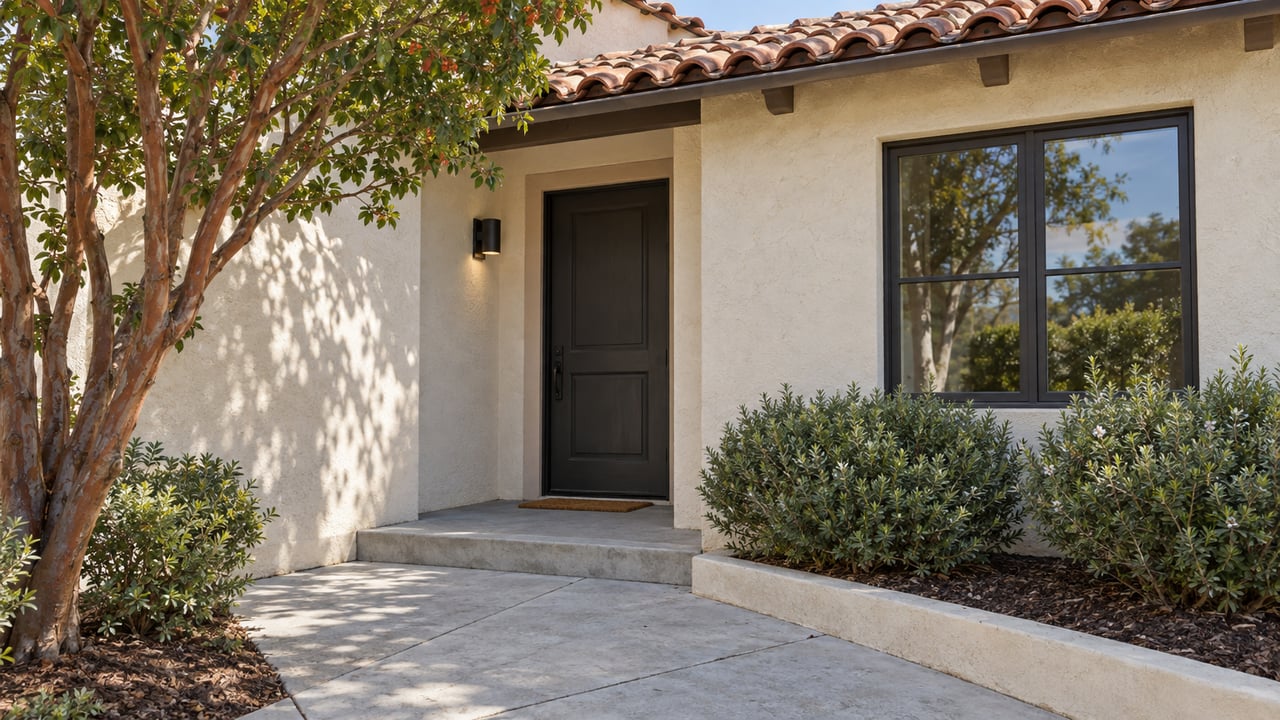
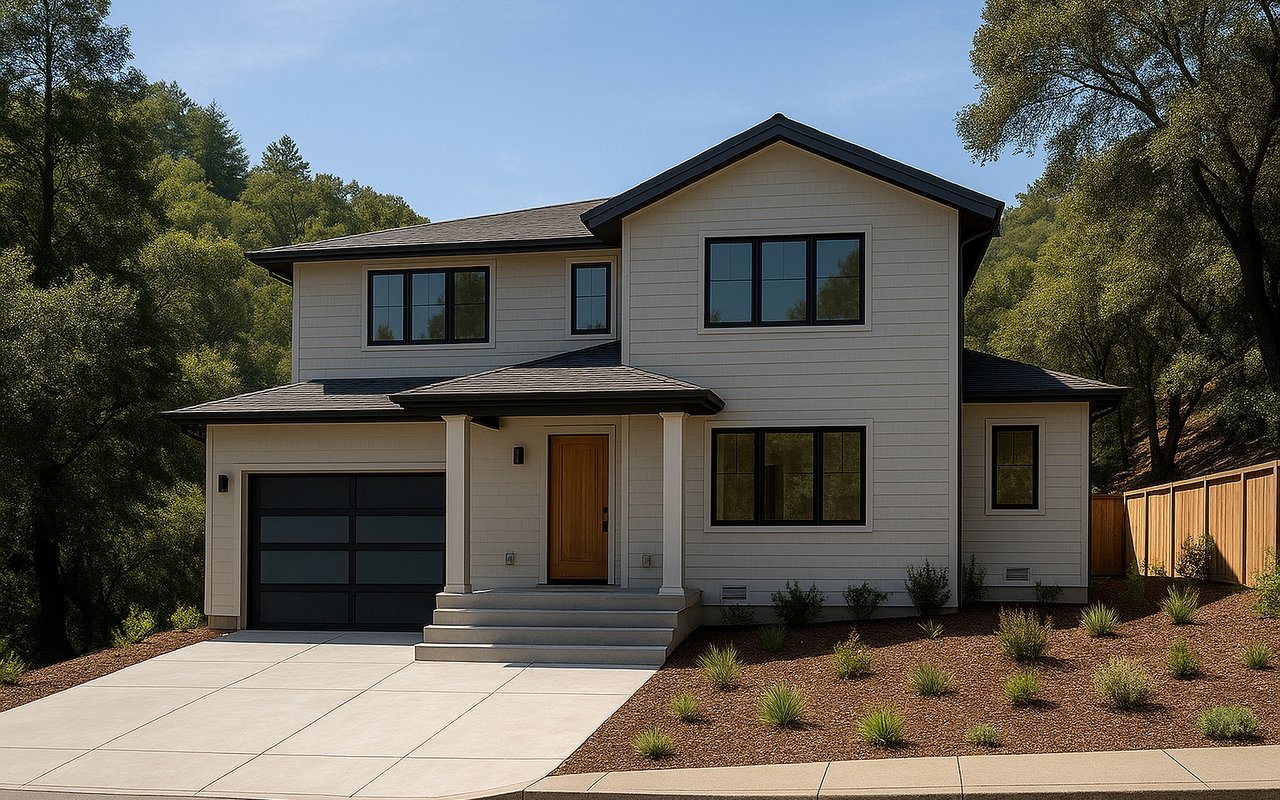
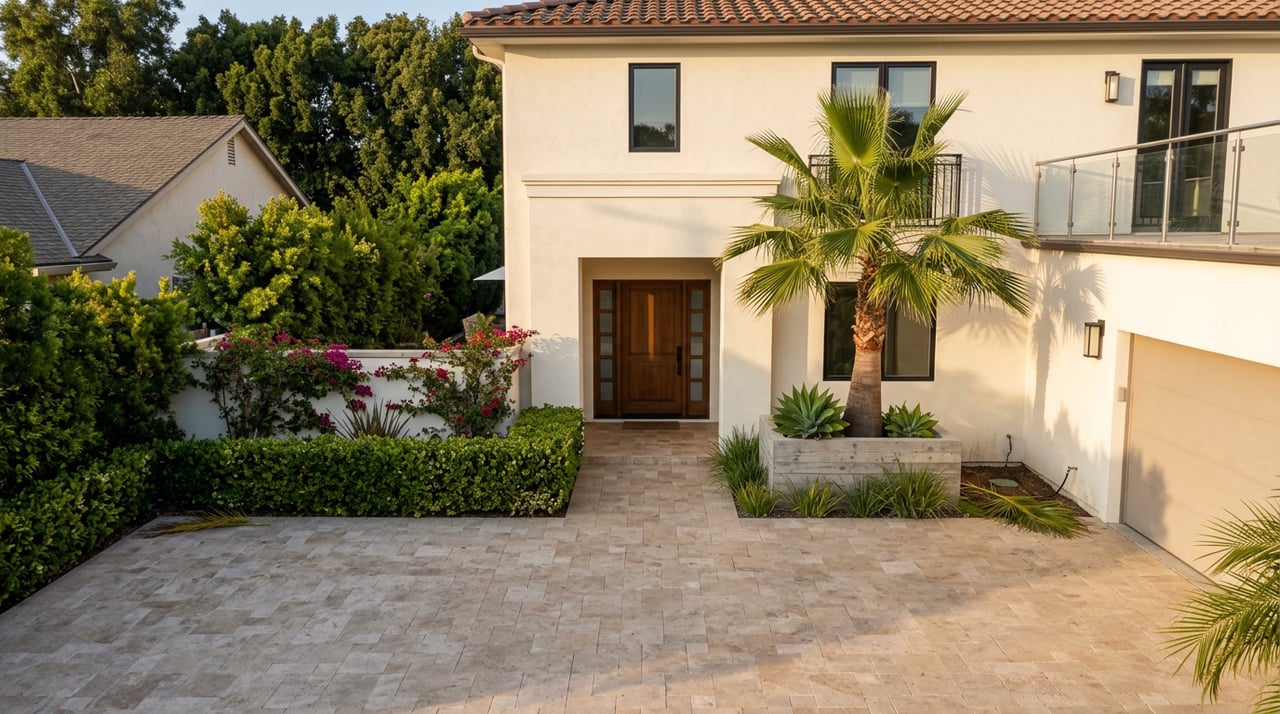
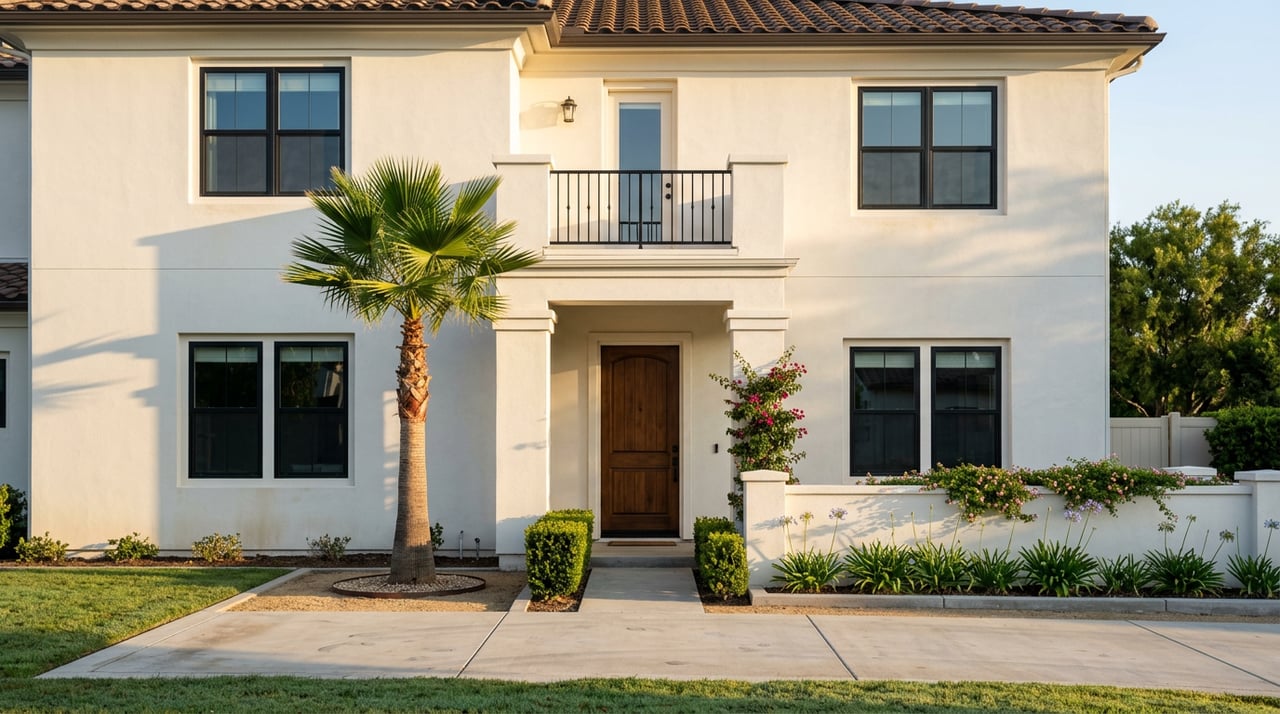
- What you get for the money: In South Corona and Eagle Glen, $750,000 to $850,000 typically buys a well-appointed single-family home with 2,000 to 3,000 square feet, a private backyard, a three-car garage, and access to community amenities. In Los Angeles at a comparable price, buyers are often looking at condos, townhomes, or older single-family homes in less central locations.
- South Corona:This is perhaps the most in-demand neighborhood in Corona, with relatively high home values reflecting newer construction, top-rated schools, and proximity to shopping and recreation.
- Property tax structure: Both cities operate under California's Proposition 13 framework, which limits annual assessed value increases to two percent for existing owners and sets the base rate at one percent of assessed value.
- Common mistake to avoid: Many buyers focus exclusively on the purchase price without accounting for Mello-Roos special taxes, which are common in newer Corona communities like Bedford and Sycamore Creek. These can add $200 to $400 or more per month to your housing costs.
Housing is the category that most consistently determines whether the math works for a buyer who is seriously weighing both options.
Daily Expenses: Groceries, Healthcare, and Utilities
Beyond housing, the day-to-day cost structure of Corona and Los Angeles tracks more closely than most buyers anticipate, because California's statewide cost floor applies to both cities in ways that limit how much variation exists between Southern California's inland and coastal markets.
- Groceries and food: Food costs in both cities run approximately two to three percent above the national average, reflecting California's statewide grocery price structure rather than significant local variation. Corona has strong access to major retailers and a growing dining scene along the Crossings at Corona and McKinley Street corridor.
- Healthcare: Healthcare costs in both Corona and Los Angeles sit at similar levels relative to the national average. California's statewide insurance market and provider cost structure applies broadly across Southern California, and the difference in routine healthcare costs between the two cities is unlikely to be a significant factor in most household budgets.
- Utilities and electricity: California's electricity rates are among the highest in the country regardless of geography, and both cities are served by the same statewide rate structure. One area where Corona can actually offer a utility advantage: newer construction in communities like Temescal Valley and Bedford typically includes more energy-efficient systems, solar infrastructure, and modern insulation that can meaningfully reduce monthly electricity bills.
The daily expense categories are where the Corona vs Los Angeles cost of living comparison narrows considerably. Buyers who are primarily motivated by grocery or healthcare savings will find less differentiation between the two cities than those who focus on the housing comparison.
Transportation, Taxes, and the Commute Calculation
Transportation and taxes are the two categories where the comparison between Corona and Los Angeles involves the most individual variation.
- The commute tradeoff: Corona is approximately 48 miles southeast of downtown Los Angeles, and a typical weekday commute to an LA-based employer runs 60 to 90 minutes each direction in normal traffic. This is the number one concern I hear from buyers, and it's the right concern to have. For hybrid workers going in two or three days a week, the housing savings almost always win.
- Sales tax: California's statewide base sales tax rate is 7.25 percent, but local surcharges in Los Angeles push the effective rate higher: Los Angeles city's combined rate is currently 10.25 percent, while Corona's combined rate sits at 8.75 percent.
- State income tax: California's state income tax applies equally regardless of city, with rates ranging from one percent at lower income levels to 13.3 percent at the highest bracket.
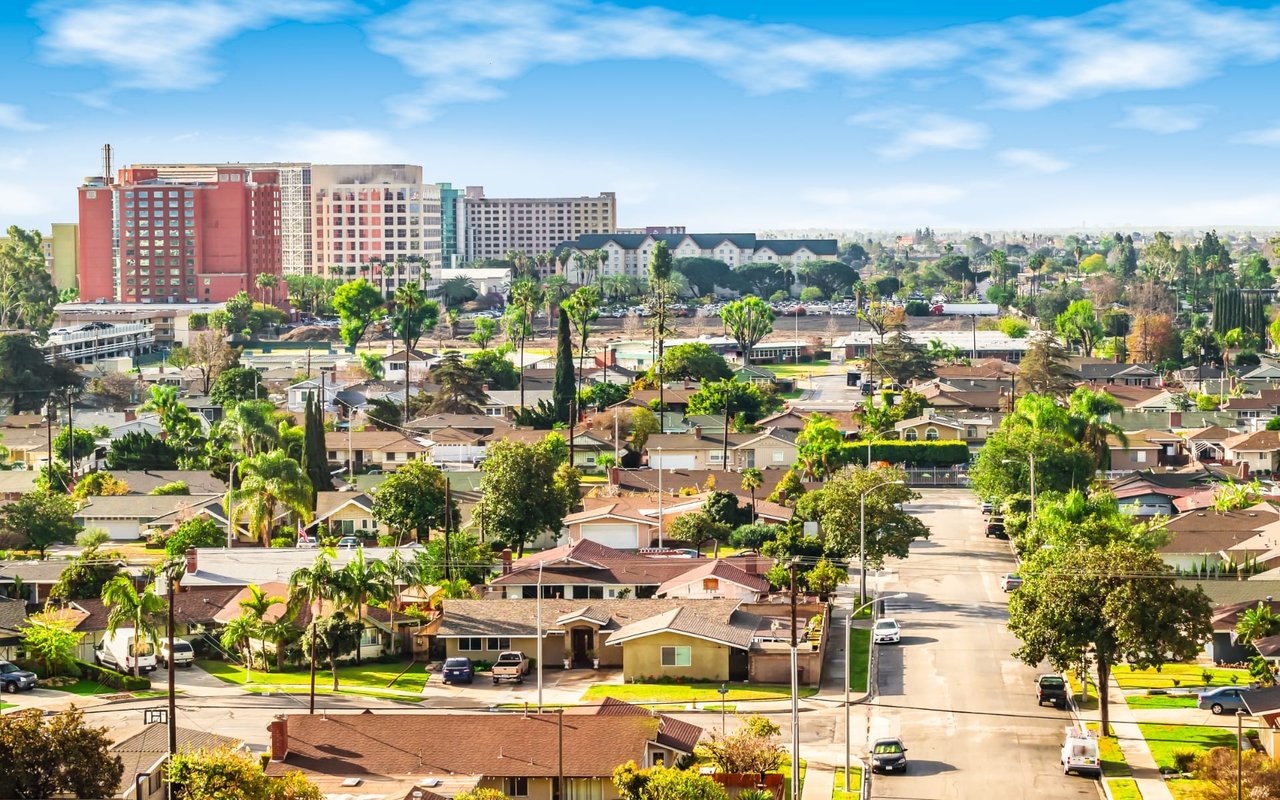
- What buyers often overlook: The true cost of living in Los Angeles includes parking, tolls, and urban transportation overhead that Corona residents largely avoid. Many LA residents pay $200 to $400 per month in parking alone.
The transportation and tax categories reward buyers who do the full math specific to their household. Income level, commute frequency, vehicle costs, and spending habits all affect how the comparison resolves.
Why People Choose Corona Beyond Affordability
This is the part of the conversation I find most rewarding, because buyers who move here for the price often stay for the lifestyle, and that's not something that shows up in a cost-of-living calculator.
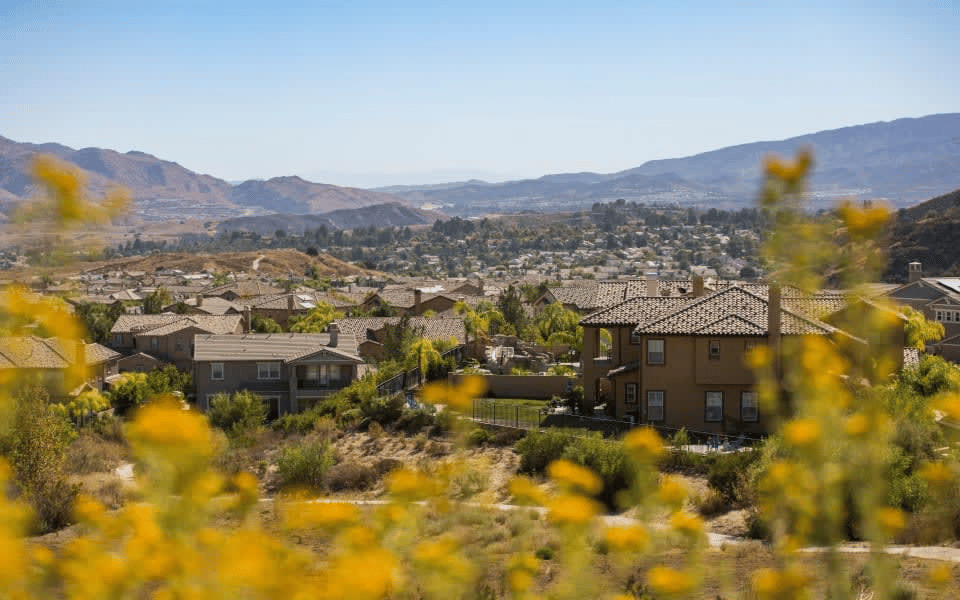
- Parks and outdoor access: Corona's trail system, regional parks, and proximity to the Cleveland National Forest give residents access to hiking, mountain biking, and outdoor recreation that most Los Angeles neighborhoods at comparable price points simply can't match. The Skyline Trail in the Santa Ana Mountains is a 20-minute drive from most South Corona addresses.
- Neighborhoods built for families: Communities like Eagle Glen, Sycamore Creek, and Sierra Del Oro were designed with walkability, community parks, and family amenities as core features. The pace of life in these neighborhoods is genuinely different from what most buyers are leaving behind in Los Angeles.
- Temescal Valley: For buyers who want even more space, privacy, and a semi-rural feel without sacrificing access to Corona's infrastructure, Temescal Valley has emerged as one of the most sought-after addresses in the area. Larger lots, newer construction, and a quieter feel make it worth serious consideration for the right buyer profile.
- A growing city with long-term upside: Corona is not a bedroom community that peaked in 2005. The city is actively growing its commercial and retail base, which compounds the long-term value of buying here now rather than after the build-out is complete.
FAQs
Is the Corona vs Los Angeles cost of living gap large enough to justify a longer commute?
For buyers with a Los Angeles-based employer who offer hybrid or remote flexibility, the answer is almost always yes. The housing savings alone represent a financial advantage substantial enough to absorb significant commute costs and still come out ahead. My recommendation: calculate your all-in monthly cost of commuting (gas, tolls, wear and tear, and the value of your time) and compare it directly to your monthly housing savings. Most buyers are surprised by how far ahead they still come out.
Does Corona offer anything lifestyle-related that offsets the distance from Los Angeles?
Absolutely, and this is often what surprises buyers most after they move. The trail access, the newer home construction, the community design of neighborhoods like Bedford and Eagle Glen, and the general pace of life are things that don't show up in any cost-of-living index but matter enormously to day-to-day quality of life. Proximity to Cleveland National Forest means access to hiking, mountain biking, and outdoor recreation that most Los Angeles neighborhoods at comparable or higher price points cannot match within the same driving distance.
How do Corona's schools compare to Los Angeles for families considering the move?
Corona is served by Corona-Norco Unified School District, one of the larger and generally well-regarded districts in Riverside County, with several campuses receiving strong ratings from independent school review platforms, a meaningful consideration for families for whom school quality is a primary driver of the location decision.
Contact Diana Renee Homes Today
If you're trying to figure out whether the cost of living works for your family (factoring in your commute, your target neighborhood, your school priorities, and your lifestyle), I'd love to help you model it out before you start making offers.
Want to know what it's really like to live in Corona? From local events and hidden gems to neighborhood guides and community updates, I put it all together at
ExploreCorona.com — your insider's guide to everything this city has to offer.