Buying in Eastvale vs Corona: Newer or Established Homes
June 11, 2026
June 11, 2026
Trying to choose between Eastvale and Corona? This is one of the most common local buyer questions, especially if you want a home that fits your budget, commute, and maintenance comfort level. The good news is that both cities offer strong options, but they deliver very different housing experiences. If you are deciding between a newer home in Eastvale and a more established home in Corona, this guide will help you compare the tradeoffs with more clarity. Let’s dive in.
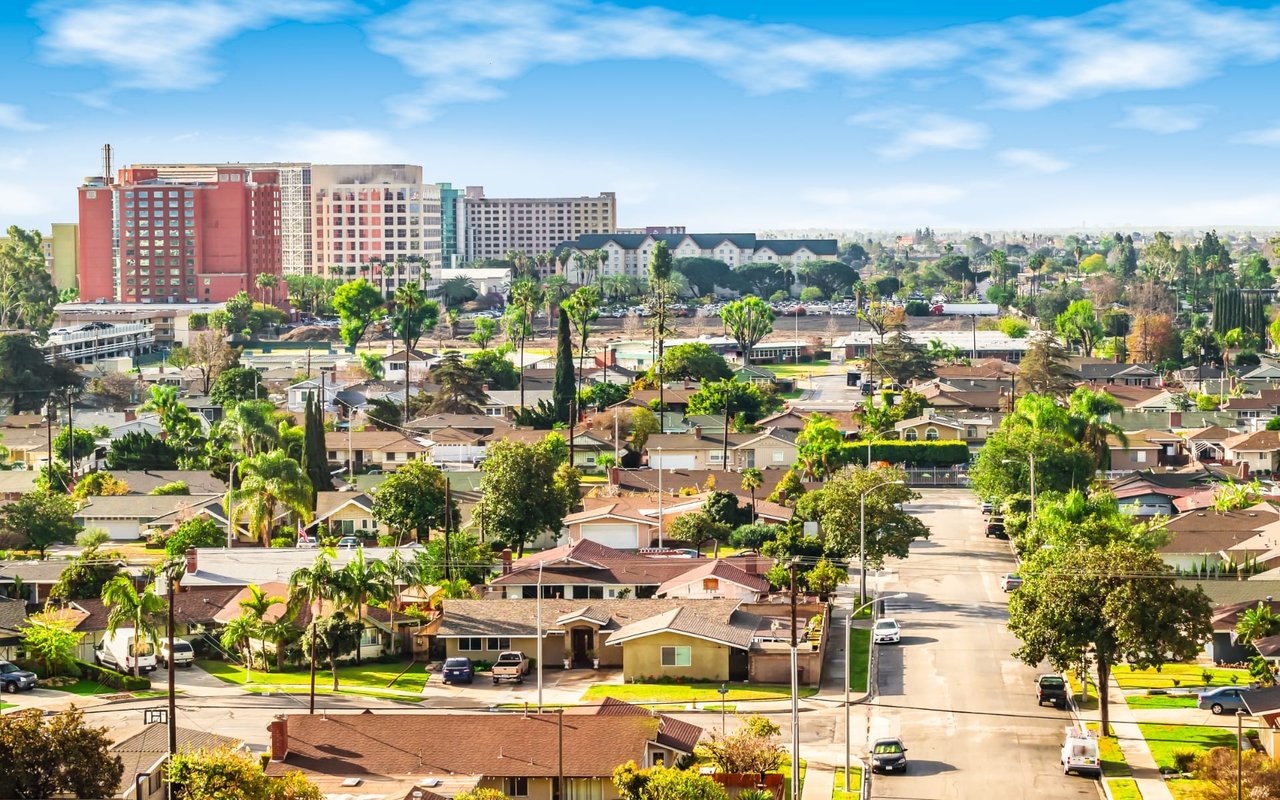
If you zoom out, the biggest difference is simple: Eastvale feels newer and more uniform, while Corona offers more variety by neighborhood and home age.
Eastvale officially incorporated in 2010, and its housing stock reflects that newer-city identity. Corona has a much longer history and a broader mix of older and newer neighborhoods, including areas shaped by different planning eras. That difference shows up in home age, neighborhood feel, maintenance expectations, and pricing.
When you buy a home, you are not just buying square footage or a floor plan. You are also taking on the age of the roof, windows, plumbing, HVAC system, finishes, and overall infrastructure. That is why the Eastvale-versus-Corona decision often comes down to whether you want newer convenience or established variety.
For many buyers, newer homes can feel easier at the start. For others, an established area with a wider range of homes and price points creates more flexibility. Neither choice is automatically better. It depends on what matters most to you.
Eastvale is heavily weighted toward newer construction. According to the city’s housing element, 92.1% of housing units were built since 2000, and only 4.2% were more than 30 years old as of January 2020.
That matters because newer homes often come with a lower chance of major near-term repair surprises. The city also states that Eastvale’s housing stock likely has relatively low rehabilitation needs compared with older parts of the region.
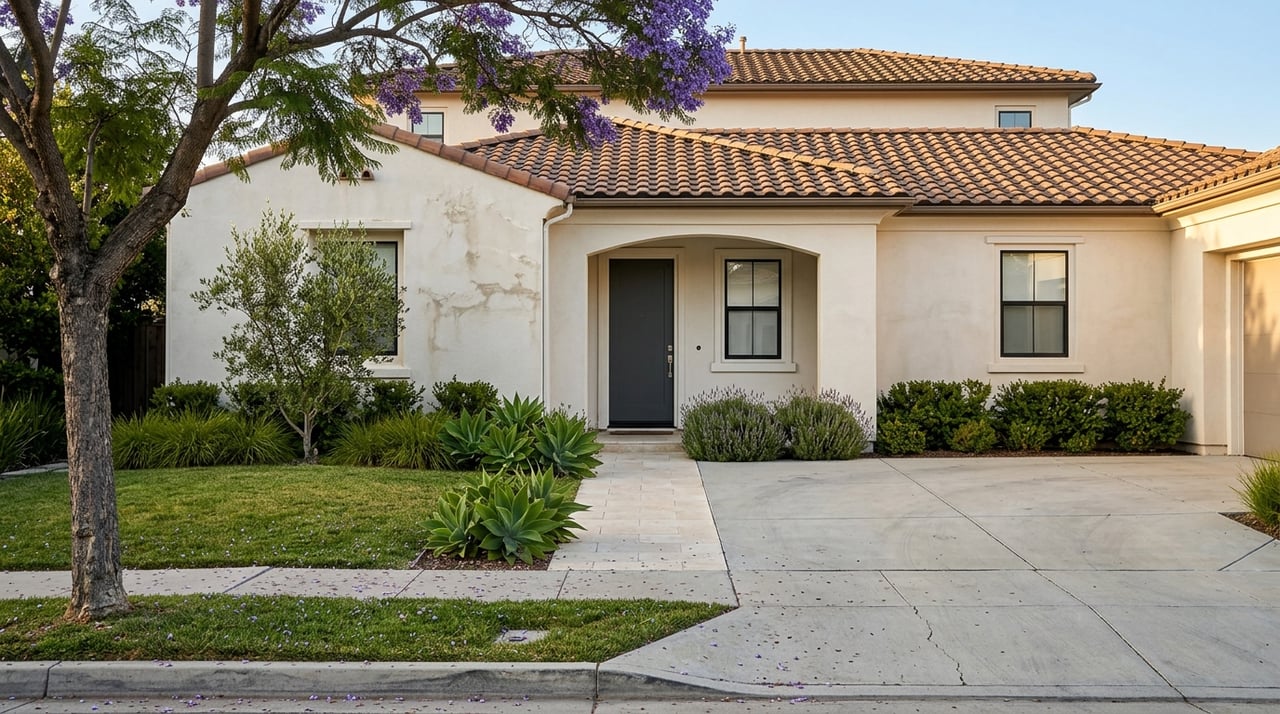
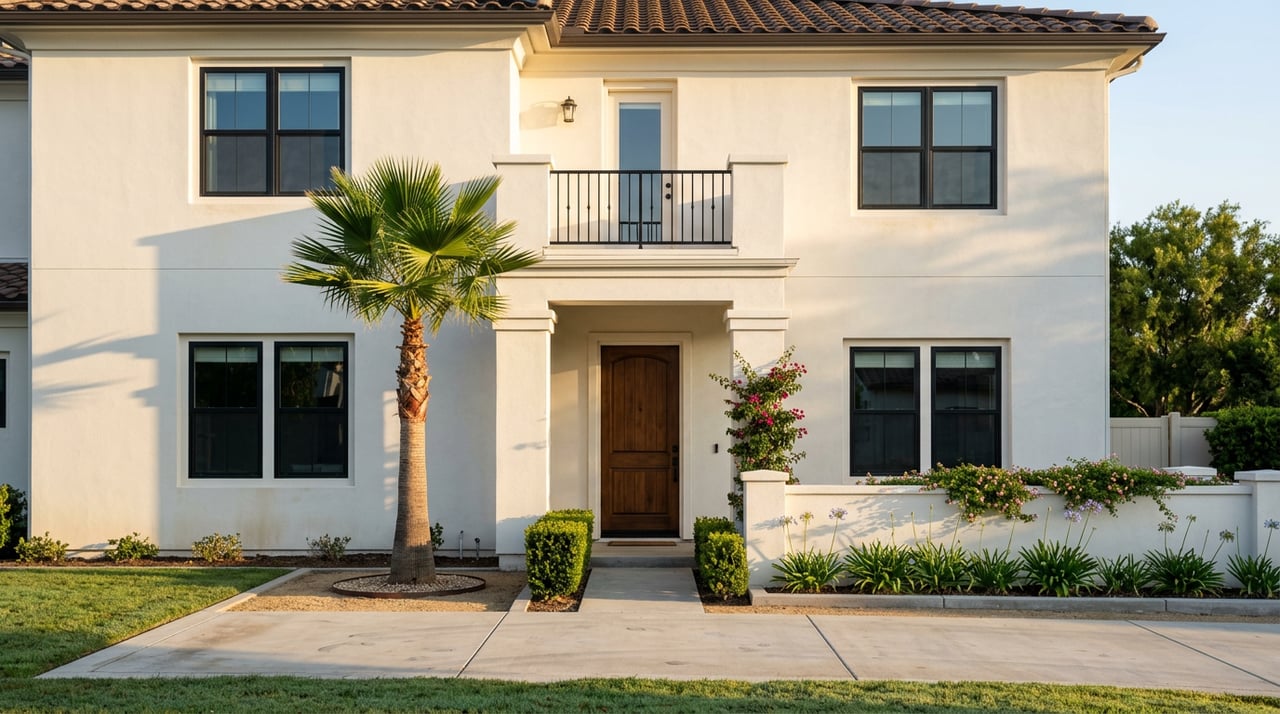
If you want a home that feels current from day one, Eastvale may line up well with your goals. In many cases, buyers are drawn to the idea of more modern layouts, newer finishes, and less immediate pressure to replace big-ticket systems.
That does not mean every Eastvale home will be perfect or maintenance-free. It does mean the citywide housing profile leans more toward homes that feel move-in ready compared with older markets nearby.
Eastvale’s housing stock is mostly detached single-family homes. The city reports that 88.6% of its housing is single-family detached.
That creates a more consistent suburban product across much of the city. If you are looking for a familiar tract-home experience with similar lot patterns and a more unified visual feel, Eastvale often delivers that better than Corona.
Eastvale describes itself as having a small-town suburban character, with 13 parks and 10 schools noted in city materials. Its planning structure also reflects a newer community, with a shorter list of specific plans and master-planned areas.
For buyers, that often translates into neighborhoods that feel more consistent from one section to the next. If you like predictability in streetscape, subdivision design, and home style, Eastvale may feel like the cleaner match.
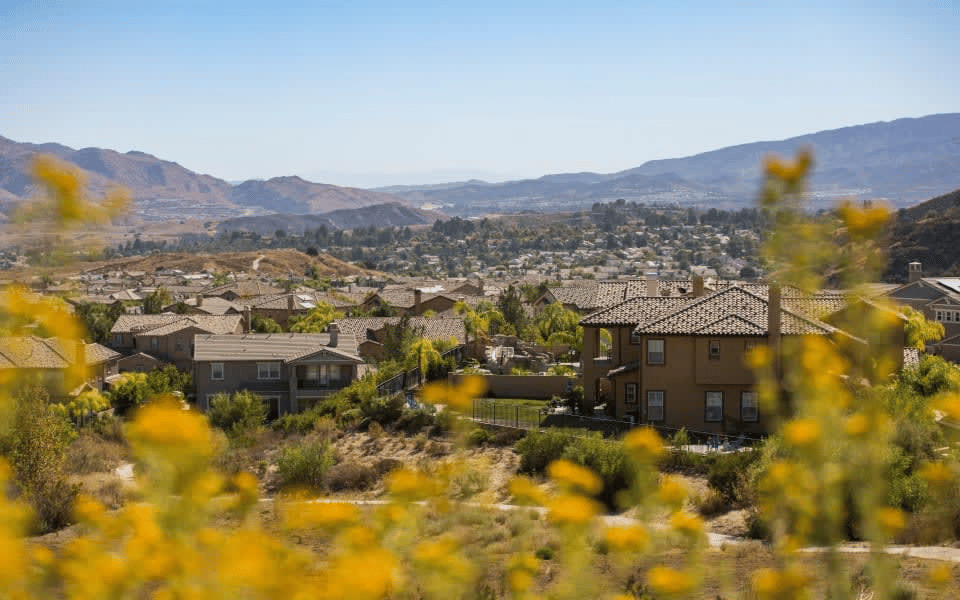
Corona offers a much more mixed housing profile. In the SCAG housing profile used for Corona’s housing element, the largest share of homes was built in 1990 to 1999 at 28.5%, followed by 1980 to 1989 at 23.6%, 2000 to 2009 at 17.6%, 1970 to 1979 at 11.4%, and 1960 to 1969 at 8.1%.
That broader age mix gives you more choices, but it also means homes may vary more in updates and condition. One home may have a newer roof and remodeled kitchen, while the next may still have older windows or original systems.
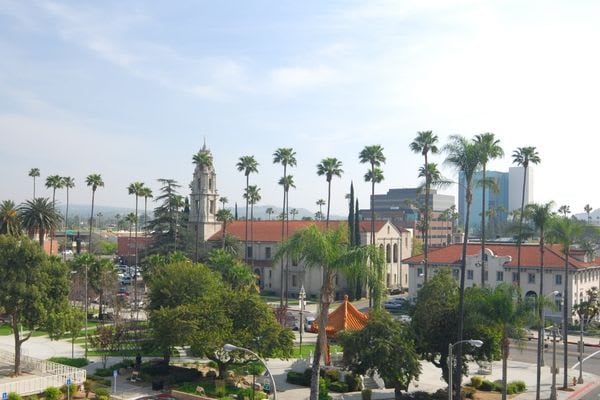
Corona has a heritage that spans more than a century, and the city emphasizes its historic downtown identity around Grand Boulevard. That longer history creates a more layered housing market.
Some neighborhoods feel older and established. Others feel newer and more master-planned. If you want options across different eras and neighborhood styles, Corona gives you a broader menu.
Corona still has a large share of detached housing, but it is less dominated by detached homes than Eastvale. The city’s housing mix includes 66.4% single-family detached, 4.4% single-family attached, 4.7% multifamily 2 to 4 units, 21.1% multifamily 5+ units, and 3.4% mobile homes.
That variety can be helpful if your budget, lifestyle, or home type preferences are more flexible. It also means the home search in Corona usually requires more neighborhood-by-neighborhood comparison.
Corona has a much longer list of specific-plan areas, including places such as Sierra Del Oro, Corona Ranch, Eagle Glen, Dos Lagos, Downtown Corona Revitalization, and Arantine Hills. The city notes that specific plans regulate development within project boundaries and can supersede original zoning.
For buyers, this is a practical clue that Corona is shaped by many development periods rather than one main suburban wave. In plain terms, the housing experience can change a lot depending on where you look.
This is where many buyers find their answer.
In Eastvale, the newer housing stock generally points to lower expected rehabilitation needs and fewer immediate repair unknowns. That can be appealing if you want to focus your budget on the purchase itself instead of early replacement costs.
In Corona, the maintenance picture is less predictable because the homes span more decades. That does not mean established homes are a bad choice. It simply means you should expect a wider range of conditions, upgrade histories, and future repair timelines.
A smart way to think about it is this:
Both Eastvale and Corona include many planned or specific-plan neighborhoods. Because of that, HOA review should be a standard part of your due diligence in either city.
Before you move forward on a home, it is wise to request and review:
A useful distinction is that Eastvale’s newer subdivisions are more likely to feel like planned-community products with consistent streetscapes and more formal neighborhood standards. In Corona, older neighborhoods may have fewer association layers, while newer pockets may still be highly regulated.
Price is often a major factor in this decision. Based on the latest Census estimates, Eastvale’s median value of owner-occupied housing units is $831,900, compared with $700,700 in Corona.
In broad terms, Eastvale tends to carry the premium for a newer-home experience. Corona usually offers more price flexibility and more variation depending on the neighborhood and age of the home.
That does not mean every Eastvale home costs more than every Corona home. It does mean the citywide numbers support a common local pattern: if you want newer construction and a more recent-build feel, you may pay more for it in Eastvale.
If commute is high on your list, Corona has a modest edge in the available Census data. Mean travel time to work is 34.3 minutes in Corona compared with 37.1 minutes in Eastvale.
Eastvale sits between Interstate 15 and State Routes 91, 60, and 71. Corona is located at the junction of the 91 and 15 freeways. Even so, your real commute will depend heavily on where you work and which neighborhood you choose, so citywide averages should be a starting point, not the whole answer.
If your top priority is the newer-home experience, Eastvale is often the clearer choice. Its housing stock is newer, its neighborhoods tend to feel more consistent, and the odds of immediate major repair needs are generally lower.
If your top priority is choice, Corona may give you more room to compare price, location, and home style. You may need to evaluate condition more carefully from one property to the next, but you also gain access to a wider range of neighborhoods and housing options.
The right answer depends on your budget, your maintenance tolerance, and how much you value a newer build versus an established setting. If you want help comparing Eastvale and Corona at the neighborhood level, Diana Renee can help you narrow the options and move forward with confidence.
Discover More About Life in Corona
Thinking about making a move, exploring neighborhoods, or simply staying connected with the community? Visit Explore Corona for local insights, neighborhood guides, community events, market updates, and everything you need to know about living in Corona, California.
👉 Explore Corona: https://explorecorona.com/home/

Diana Renee
I am so fortunate to have grown up in one of the most wonderful places in the world, California. With friendly people, incredible weather, great entertainment, beaches, mountains and the desert all within driving distance, SoCal has it all. I was born and raised in Long Beach, and have lived in Corona since 1996. I truly love this city and I'm proud to assist my clients in navigating the process of buying and selling real estate.
Stay up to date on the latest real estate trends.

Home Seller
October 2, 2026
A Smarter Approach to Pricing, Marketing, and Positioning Your Corona Luxury Home for the Right Buyers
October 1, 2026

housing market
September 30, 2026
September 29, 2026
Exploring the remarkable Sycamore Creek neighborhood, one of Corona's most sought-after planned communities.
September 28, 2026

Lifestyle
September 25, 2026
September 25, 2026
September 21, 2026
September 18, 2026
I WANT TO HEAR FROM YOU